How to Make Your Home Sustainable: A Complete Guide for 2026
Welcome to 2026, where sustainability is more than just a buzzword; it’s a way of life. If you’ve been pondering how to transform your abode into an eco-friendly haven, you’re in the right place. Whether you’re just starting out or looking to refine your green home strategies, there are plenty of exciting developments and techniques to help you achieve a sustainable living space. Let’s dive into the nitty-gritty of creating a home that’s kind to our planet.
Embrace Renewable Energy Sources
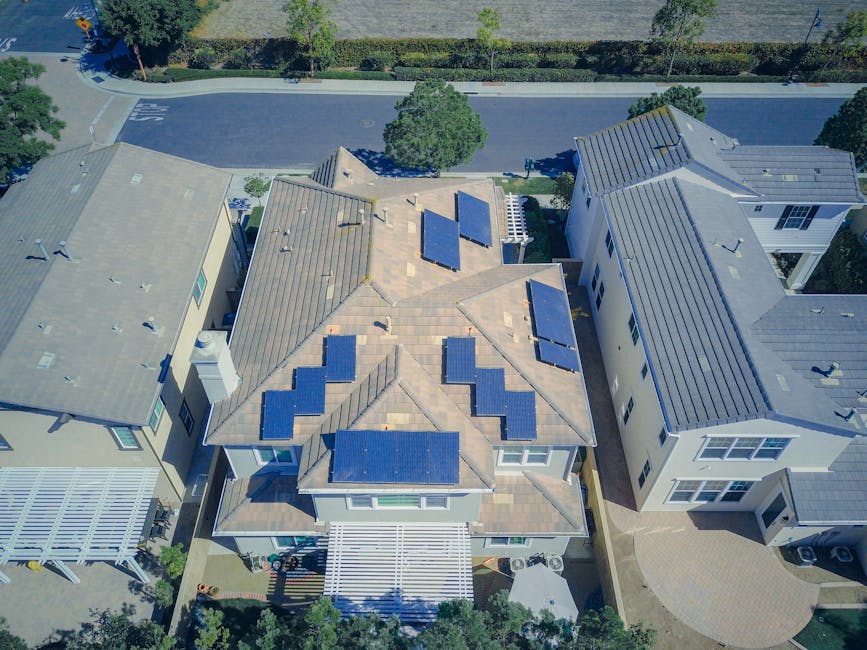
With the cost of solar panels decreasing by about 40% over the last five years, there has never been a better time to harness the power of the sun. Modern solar technology is not just more affordable but also more efficient. Companies like Tesla and SunPower are leading the charge, offering panels that integrate seamlessly with your home’s design.
But it’s not just about solar. Wind turbines for residential areas have become more prevalent, especially in regions like the Midwest United States where wind power is abundant. Even if you don’t have space for your own turbines, many utility companies now offer clean energy options that you can opt into, allowing homeowners to support wind and solar farms.
Smart Home Technology for Energy Efficiency
Smart home systems have evolved rapidly and can significantly reduce energy usage. Smart thermostats, like the Google Nest or Ecobee, learn your schedule over time and adjust heating and cooling automatically, saving you energy (and money) by up to 20%.
Moreover, smart lighting systems that use LED bulbs can reduce electricity consumption. Brands like Philips Hue offer bulbs that can be programmed to adjust in brightness and color, reducing power usage further. The integration of AI in home devices can also suggest when to use or conserve energy, optimizing your home’s consumption patterns.
Adopt Sustainable Building Materials
When considering renovations or building a new home, selecting sustainable materials is key. Bamboo flooring, recycled metal roofing, and reclaimed wood are just some of the options available to eco-conscious builders. These materials not only reduce the carbon footprint of your home but also often last longer and require less maintenance than their conventional counterparts.
Furthermore, innovative materials like mycelium, a fungus-based product, are being used for insulation and even furniture. It’s entirely biodegradable and has excellent thermal properties, making it an eco-friendly choice for new builds.
Water Conservation: Every Drop Counts
Water scarcity remains a pressing issue; therefore, making your home water-efficient is essential. Low-flow fixtures can reduce water use by up to 50%, and they’re easier to install than ever.
Consider also the impact of greywater systems. These systems reuse water from showers, sinks, and washing machines for irrigation and toilet flushing, drastically reducing water waste. In cities like Los Angeles, greywater systems are becoming the norm, encouraged by rebates and incentives for homeowners.
Home Gardens: Grow Your Own
A sustainable home isn’t complete without a green oasis. Home gardens, whether on a balcony or in a backyard, provide fresh produce and herbs, reducing the need for store-bought options that often travel long distances and come wrapped in plastic.
Vertical gardens are perfect for urban dwellers with limited space. They maximize land use and can be created using recycled materials. Community gardens are also a burgeoning trend in places like New York City, offering residents shared spaces to grow and learn about sustainable agriculture together.
Waste Not: Embrace the Zero-Waste Lifestyle
Transitioning to a zero-waste lifestyle might seem daunting, but it’s achievable with small, consistent changes. Composting organic waste reduces landfill contributions and produces nutrient-rich soil for your garden. Many municipalities now offer compost pick-up alongside trash and recycling.
Additionally, consider the packaging of products you buy. Opt for bulk bins, reusable containers, and companies that prioritize sustainable packaging. Brands like Loop are leading the way with reusable packaging systems that make zero waste convenient and accessible.
By making conscious choices about energy, materials, water, food, and waste, we can all contribute to a more sustainable world. Remember, every small step counts, and collective efforts can lead to significant change. Start today by assessing your home’s current impact and choosing one area to improve. Your 2026 self will thank you.