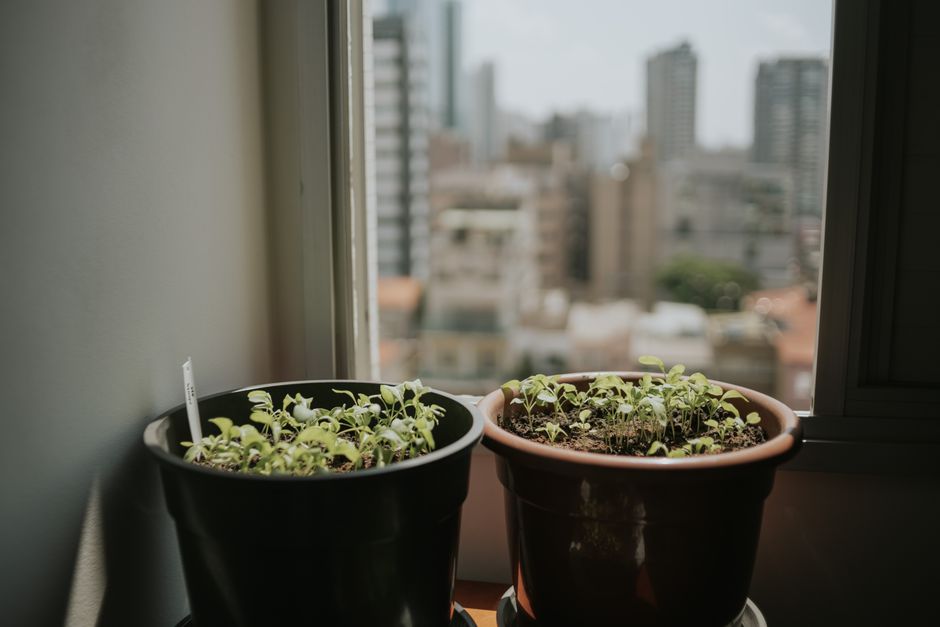
The Revival of Indoor Green Spaces
In 2026, the urban jungle is more literal than ever. As cities grow denser, people are finding solace in transforming their homes into lush oases. Indoor gardens are not just a fleeting trend but a lifestyle change that brings nature back to human-dominated spaces. The resurgence of indoor gardening is fueled by advancements in technology, increased awareness of mental health, and a strong desire for sustainable living.
Technology Meets Botany
Let’s talk tech. The past few years have witnessed incredible innovations in smart gardening tools. From self-watering pots to automated light systems, maintaining an indoor garden has become easier and more efficient. Companies like GreenTech Innovations and Bloomify have developed apps that sync with these smart devices, offering personalized care tips and reminders to ensure your plants thrive all year round.
Hydroponics and Aeroponics further revolutionize indoor gardening. These soil-less systems allow city dwellers to cultivate herbs, vegetables, and even fruits in the comfort of their apartments with minimal space and effort. Imagine harvesting fresh basil from your kitchen windowsill anytime you want a caprese salad!
The Mental Health Boost
We can’t ignore the mental health benefits of indoor gardening. In 2026, as the world continues to grapple with the stresses of modern life, people are finding peace in greenery. Studies from the Global Wellness Institute reveal that tending to plants reduces anxiety levels by 40%.
Therapists are recommending ‘plant therapy’ as a form of self-care. The act of nurturing a living thing and watching it grow provides a sense of achievement and satisfaction. Moreover, the greenery improves indoor air quality, making your living space healthier and more refreshing.
Aesthetic Appeal Meets Sustainable Living
Let’s face it, an indoor garden can transform any space from drab to fab. Designers and interior decorators are incorporating greenery into their projects more than ever. The 2026 aesthetic is all about biophilic design — integrating natural elements into urban environments. Hanging gardens, vertical walls, and plant partitions are popular features in both homes and offices.
Beyond aesthetics, indoor gardening is a nod to sustainable living. By growing your own herbs and veggies, you’re reducing your carbon footprint and cutting down on single-use plastics often associated with store-bought produce.
Community and Connection
Indoor gardening is also fostering a sense of community. Urban residents are connecting through plant swaps and gardening workshops, sharing tips and trading cuttings. The rise of gardening clubs and online forums provide a platform for enthusiasts to unite over their shared passion.
City governments are even getting in on the action. In Los Angeles and New York, community centers offer free gardening classes and distribute starter kits to encourage residents to green their homes.
Practical Takeaway
If you’ve been contemplating starting your own indoor garden, 2026 is the perfect time to dive in. Whether you’re in a small apartment or a spacious loft, there’s a solution for you. Start with easy-to-care-for plants like pothos or snake plants, invest in some smart gardening tech, and watch as your space transforms into a verdant retreat.
Remember, the real reward is not just the aesthetic or environmental benefits, but the joy and tranquility that come from tending to your indoor garden.