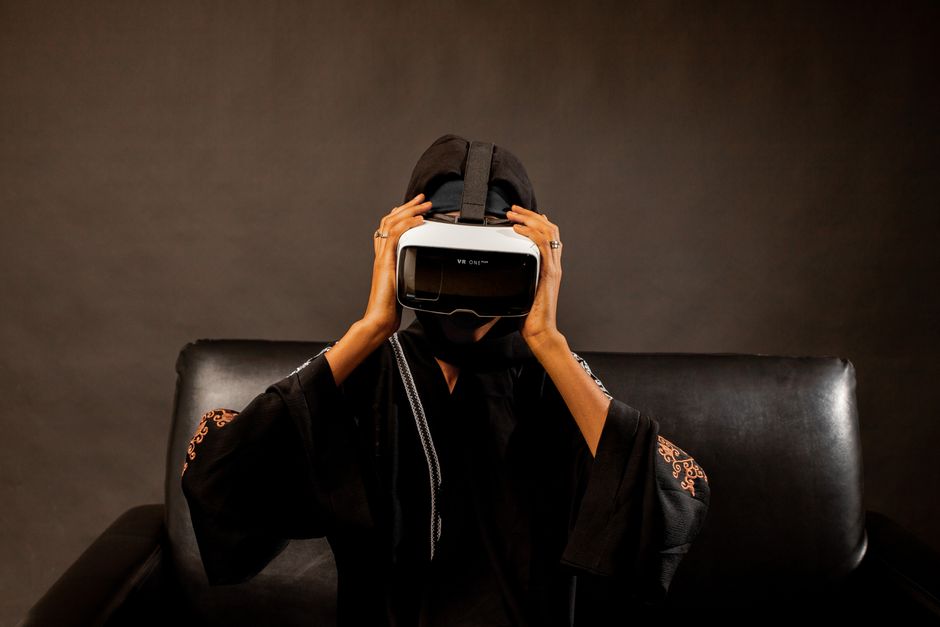
The Rise of Virtual Dining Rooms
Move over, food delivery apps—there’s a new culinary experience in town. Virtual dining rooms are taking 2026 by storm, offering foodies a way to explore diverse cuisines without leaving their homes. Thanks to advances in virtual reality (VR) and holographic technology, these digital spaces are blurring the lines between dining out and staying in.
What Exactly Are Virtual Dining Rooms?
Imagine putting on a VR headset and being transported to a vibrant street market in Bangkok while savoring a freshly prepared Pad Thai that appears right in front of you. Or perhaps you’re in a chic Parisian bistro, enjoying a rich coq au vin as you interact with a holographic sommelier. Virtual dining rooms are immersive experiences that combine real-time food delivery with sophisticated VR environments, creating a feast for all the senses.
The Technology Behind the Taste
The seamless integration of sensory elements is made possible by cutting-edge advancements in multisensory technology. In 2026, companies are focusing not just on the visual and auditory aspects of VR but also on replicating the scents and tastes of different cuisines. Think olfactory sensors that enhance the aroma of your dish or VR gloves that simulate the texture of a crispy baguette. The goal? To create a hyper-realistic dining experience that rivals any physical restaurant.
Virtual Dining for Every Palate
One of the most exciting aspects of virtual dining rooms is their inclusivity. Dietary restrictions or preferences? No problem. These platforms offer customizable menus to suit vegetarian, vegan, gluten-free, or any other dietary needs. In addition, cultural festivals and themed nights are becoming popular, allowing users to explore global traditions and cuisine from the comfort of their own homes.
The Impact on Traditional Dining
While the rise of virtual dining rooms might sound like a threat to traditional brick-and-mortar establishments, many restaurateurs are embracing the change. By collaborating with tech companies, chefs are able to reach a wider audience, bringing their culinary creations to people who might never step foot in their physical location. This digital pivot is helping many businesses thrive, especially in a world where convenience has become paramount.
Getting Started with Your Own Virtual Dining Experience
Ready to dive into the world of virtual dining? Here’s how you can start your culinary journey. First, invest in a quality VR headset and ensure you have a stable internet connection. Explore platforms that offer virtual dining experiences, paying attention to user reviews and available cuisines. Once you’re set up, choose an experience that excites you—whether it’s a sushi-making class in Tokyo or a wine tasting in Tuscany. Finally, don’t forget to share your experience with friends; many platforms offer multi-user sessions so you can dine together, no matter the distance.
Takeaway: Virtual dining rooms are more than just a passing trend; they’re a revolutionary way to expand your culinary horizons. By combining technology with the art of food, these digital spaces offer a tantalizing taste of what’s to come in the world of dining.