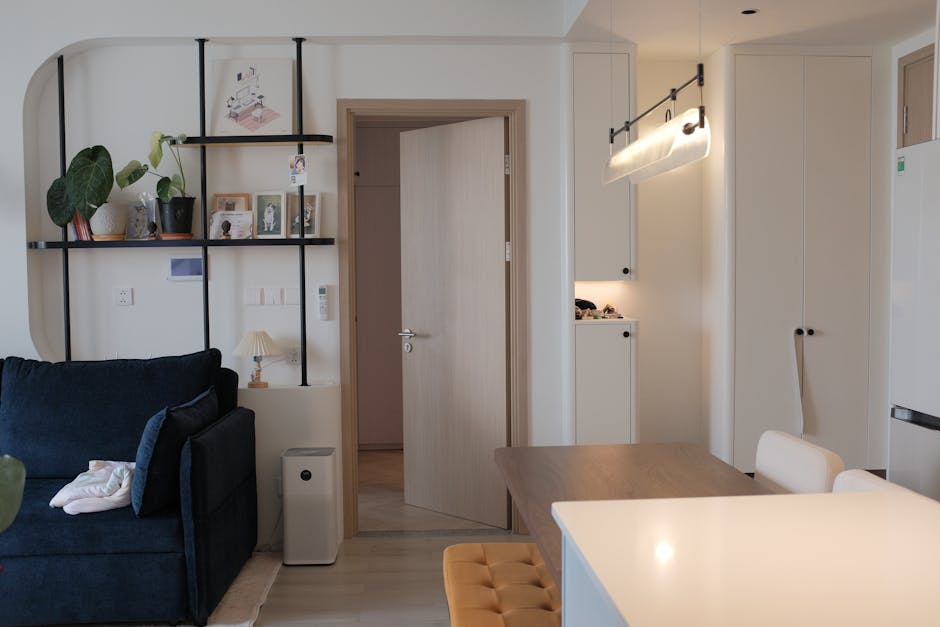
Minimalism isn’t just a buzzword anymore; it’s a lifestyle that people are increasingly embracing. And nowhere is this more evident than in the flourishing trend of minimalist home decor. Picture this: sleek lines, uncluttered spaces, and a sense of calm that envelops you as you step through the door. That’s the essence of minimalism. But why is this trend capturing hearts across the globe in 2026? Let’s delve into the compelling reasons behind this minimalist mania.
The Rise of the Less-Is-More Aesthetic
In recent years, there’s been a noticeable shift in how we perceive our living spaces. Gone are the days when homes bursting with trinkets and furniture were the norm. People are increasingly subscribing to the ‘less is more’ philosophy. According to a recent report by the Global Design Institute, 68% of new homeowners in major urban areas like New York and Tokyo are opting for minimalist decor. This rise can be attributed to our fast-paced lives where simplicity offers a haven of tranquility.
Technology Meets Minimalism
It’s 2026, and technology is more integrated into our daily lives than ever before. Smart home devices have become essentials rather than luxuries, and they blend beautifully with a minimalist aesthetic. Picture a living room where your voice-activated assistant is your only gadget visible, seamlessly controlling the lighting, temperature, and security, all while sitting discreetly in a corner. Companies like Ikea and Philips are leading the charge by offering sleek, functional, and unobtrusive tech solutions that marry form and function.
Sustainability and Mindful Living
The call for sustainable living has never been louder. Minimalism champions this by encouraging the use of fewer resources and promoting mindful consumption. The environmental benefits are undeniable: less furniture means fewer raw materials used and less waste produced. In addition, repurposing and upcycling have become key components of minimalistic decor, as seen in the growing popularity of brands like The Circular House, which focuses on sustainable, minimal designs.
Psychological Benefits of a Minimalist Space
There’s something undeniably calming about a minimalist home. It’s a sanctuary that promotes mental clarity and reduces stress. A study conducted by Stanford University in 2025 revealed that individuals living in minimalist homes reported a 45% decrease in stress levels compared to those in traditionally cluttered environments. The minimalist design encourages an open, airy atmosphere that naturally fosters relaxation and creativity.
The Global Influence
Minimalism is a global phenomenon. While Scandinavian design might have popularized the concept with its clean lines and functional practicality, other cultures are making their mark, too. Japanese Zen-inspired spaces focus on tranquility and balance, while Italian minimalist design emphasizes elegance and luxury with a focus on quality materials. This cross-cultural exchange has enriched the minimalist movement, making it versatile and adaptable to various tastes and preferences.
Practical Takeaway: Embracing Minimalism in Your Home
So, you’re convinced that minimalism might be the way forward, but how do you start? Begin by decluttering and assessing what truly brings you joy and utility. Invest in a few quality pieces rather than numerous items. Use neutral color palettes to create a serene environment and incorporate natural elements like plants to add life without adding clutter. Remember, minimalism is not about deprivation but about making space for what truly matters.