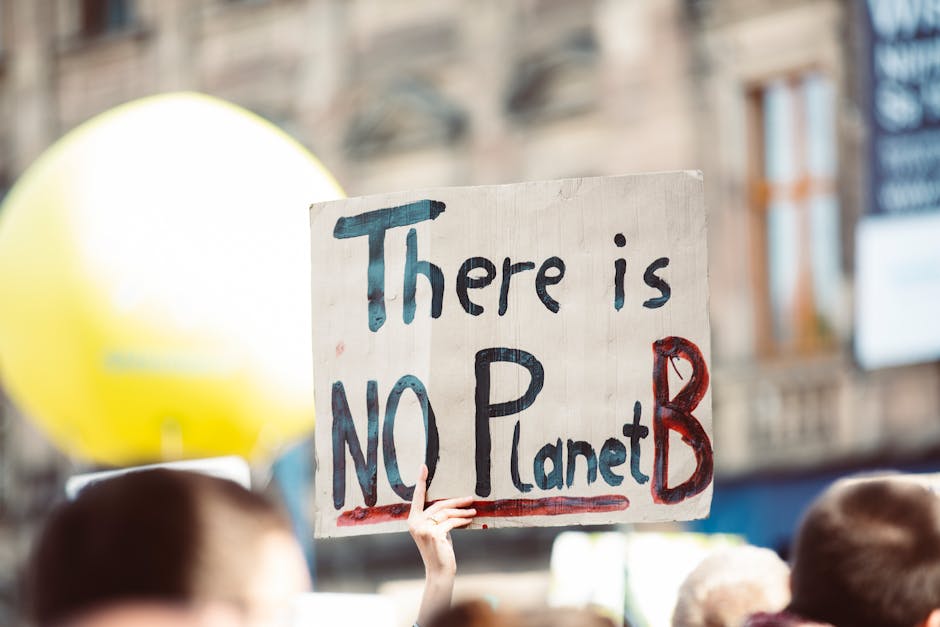
The Changing Climate of Travel
The world has always been a treasure trove for the adventurous. But as 2026 unfolds, climate change is rewriting the travel narrative in ways both unexpected and profound. What does this mean for us, the globe-trotters of today? From shifting landscapes to evolving destinations, the travel map is being redrawn.
Rising Temperatures and Their Surprising Benefits
Warmer temperatures might sound like a dream for sun-seekers, but they’re reshaping travel hotspots in unexpected ways. Glaciers are retreating, and alpine regions are losing their icy allure. Yet, this shift opens new doors. Picture this: Scandinavia’s arctic zones are seeing a 20% increase in tourist footfall, as warmer summers transform them into attractive hiking destinations. The once-frozen tundras are now carpeted with wildflowers, a transformation that’s drawing nature enthusiasts from across the globe.
The Coastal Conundrum
Coastal regions face a different challenge. Rising sea levels threaten iconic beach destinations, from Miami to the Maldives. The latter has launched an adaptive strategy, investing over $1 billion in floating architecture and sustainable tourism initiatives. This isn’t just about survival; it’s about creating a new kind of paradise. Meanwhile, the disappearance of some coastal regions is pushing tourists to explore inland alternatives. The Italian countryside, for instance, is experiencing a renaissance, with a 35% uptick in rural tourism as travelers seek new havens away from the encroaching tides.
Wildlife and Wilderness Wonders
For wildlife enthusiasts, climate change presents both opportunities and heartbreaks. Shifting habitats mean that species are on the move. The African elephant migration patterns are altering, with herds now frequenting areas previously devoid of their majestic presence. This shift has turned once-overlooked regions into burgeoning safari hotspots. On the downside, coral bleaching events have reduced the allure of some of the world’s best-known dive spots. The Great Barrier Reef, while still breathtaking, is urging divers to visit lesser-known but thriving reef systems, like those off the coast of Mozambique.
Urban Adventures Reimagined
City escapades are also evolving. Urban centers are adapting to climate realities by embracing green technology and sustainable practices. Tokyo, for instance, has introduced a city-wide initiative for green rooftops and vertical gardens, reducing urban heat and enhancing the city’s aesthetic appeal. Urban tourism is taking on a new dimension, with travelers keen on experiencing these eco-initiatives firsthand. Moreover, cities like Amsterdam and Copenhagen are leading the charge in promoting cycle tourism, a mode of travel that’s as sustainable as it is immersive.
Cultural Festivals: A New Rhythm
Climate change is influencing the timing and nature of cultural festivals worldwide. Traditional events are shifting their calendars to align with new weather patterns. India’s famed Holi festival, typically celebrated in March, has moved to February in some regions to coincide with cooler weather. Similarly, Europe’s summer music festivals are adjusting to avoid heatwaves, with more nighttime events and shaded venues. This adaptation not only ensures safety but also adds a novel twist to longstanding traditions.
Takeaway: Navigating the New World of Travel
As climate change reshapes our travel landscape, adaptability is our greatest ally. Embracing these new realities with an open mind can lead to unexpected adventures and discoveries. Whether it’s exploring newly accessible lands or supporting sustainable tourism initiatives, the choices we make today will dictate the travel experiences of tomorrow. The world is changing, and with it, the way we explore it. Let’s make it an adventure worth remembering.