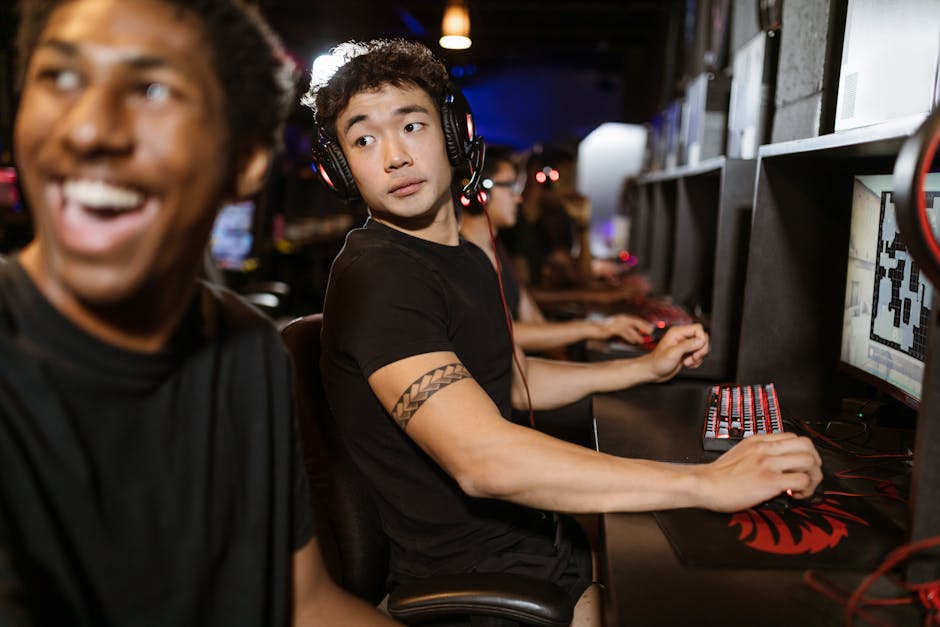
The Rise of Esports: What Gamers Need to Know in 2026
The esports scene has undergone a massive transformation in the past decade. From being a niche hobby, it’s now a billion-dollar industry that rivals traditional sports. As we stand in 2026, there are several trends and developments that every gamer should be aware of.
The Expansion of Esports Leagues
Esports leagues have exploded in terms of size and scope. The Overwatch League, once a pioneer in franchised esports, has expanded to 30 teams globally, with new franchises in cities like Sydney and Bangalore. Meanwhile, the League of Legends World Championship continues to draw viewership numbers that rival the Super Bowl, with over 150 million unique viewers for its 2025 final held in Tokyo.
Technological Advancements: Game On
Technology has always been at the forefront of esports, and recent innovations are taking the experience to the next level. Virtual Reality (VR) and Augmented Reality (AR) have become integral to immersive fan experiences, allowing fans to attend matches in virtual stadiums. Games like Valorant and DOTA 2 are leading the charge in VR adaptations, providing players with an unprecedented level of engagement.
Esports as a Career Path
Gone are the days when gaming was just a pastime. With professional teams offering six-figure salaries and sponsorship deals, esports has become a viable career path. Universities across the world, such as University of California, Irvine and Staffordshire University in the UK, now offer specialized degrees in esports management and game design, preparing students for diverse roles within the industry.
The Role of Artificial Intelligence in Training
Artificial Intelligence (AI) has taken the training regimens of professional gamers to new heights. AI-driven analytics tools analyze gameplay in real-time, providing personalized feedback and improvement strategies. Teams like Cloud9 and Fnatic are employing AI coaches to develop cutting-edge strategies and push the boundaries of competitive play.
Inclusivity and Diversity in Esports
The esports community is becoming more inclusive and diverse. Initiatives to support female gamers and underrepresented minorities have gained momentum. Organizations such as Women in Games International and Black Girl Gamers are at the forefront, working to ensure that esports is welcoming to everyone. This shift is not only seen in player rosters but also in the leadership positions within esports organizations.
Monetizing the Audience: New Revenue Streams
Esports companies are finding novel ways to monetize their fanbase. The introduction of blockchain technology has revolutionized the way games and tournaments are funded. Non-Fungible Tokens (NFTs) have become a popular way for fans to buy, sell, and trade in-game items, creating a new economy within esports. Additionally, live streaming platforms like Twitch and YouTube Gaming are experimenting with subscription models and exclusive content to enhance viewer loyalty.
Practical Takeaway: The esports landscape is rapidly evolving, presenting numerous opportunities and challenges. Whether you’re a player, a fan, or someone looking to enter the industry, staying informed and adaptable is crucial. By embracing new technologies and supporting diversity, the future of esports looks not only exciting but also more inclusive and lucrative than ever.