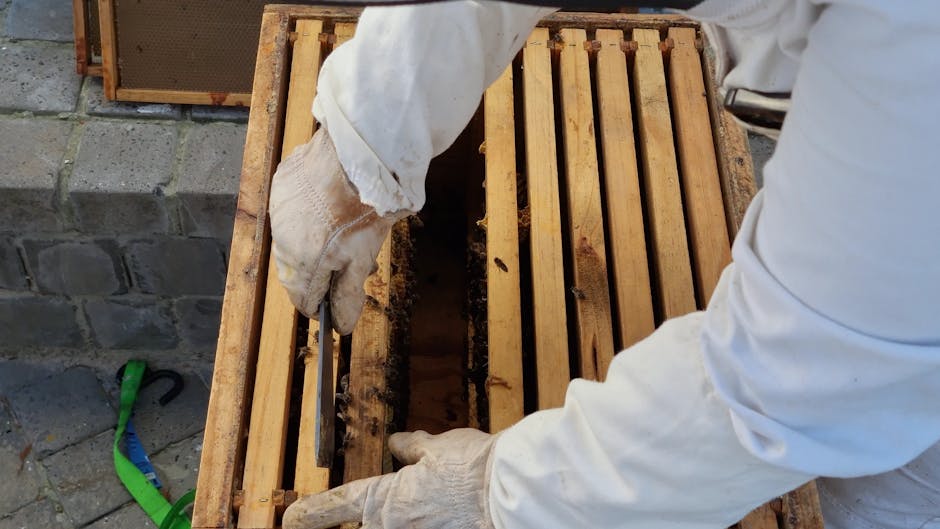
The Urban Buzz: Why Cities are Embracing Beekeeping
It’s 2026, and urban beekeeping has become more than just a trend—it’s a movement. From the rooftops of New York City to the balconies of Paris, city dwellers are turning to beekeeping not only as a hobby but as a means of contributing to environmental sustainability. But why this sudden surge in interest? Experts point to the growing awareness of bee populations’ critical role in pollination and biodiversity. In fact, urban areas have been found to support higher biodiversity than some rural areas due to their diverse plant offerings. Cities like San Francisco and Seoul have transformed their skylines with bee-friendly habitats, and now more than ever, individuals are eager to join the buzz.
How to Start Your Own Urban Beehive
Starting your own urban beehive might seem daunting, but it’s more accessible than you think. First, research your local regulations. Cities like Chicago and London have specific guidelines for beekeepers, including hive placement and management practices. Once you’re clear on the rules, invest in the right equipment. Essential items include a hive box, protective gear, a smoker, and a hive tool. Many new beekeepers in Berlin are opting for compact, modular hives that can easily fit on a small balcony. And don’t forget the bees! Local apiaries often sell starter colonies known as ‘nucs’. Pair them with high-quality bee-friendly plants like lavender and sunflowers for a thriving urban garden.
The Benefits of Urban Beekeeping
Hosting bees in the city provides a plethora of benefits beyond the sweet reward of honey. Beekeeping in urban environments helps support local ecosystems and increases plant pollination. Cities like Tokyo have reported higher plant yields in community gardens thanks to urban beekeeping initiatives. Plus, the act of tending to bees has been shown to reduce stress and promote mental well-being. It’s no wonder so many city dwellers are trading their yoga mats for smokers and hive tools. Moreover, surplus honey can be sold or gifted, creating a delightful circle of community engagement.
The Challenges You Might Face
Of course, urban beekeeping isn’t without its challenges. Space limitations, urban pests, and fluctuating weather patterns can all impact hive health. In Los Angeles, beekeepers have seen increased hive deaths due to higher-than-average temperatures. However, these challenges aren’t insurmountable. With proper hive management and location selection—think rooftops with partial shade or strategic plant barriers—you can mitigate many of these issues. Joining local beekeeping groups can provide support and advice, turning potential obstacles into learning opportunities.
Innovative Beekeeping Practices to Watch
As interest in urban beekeeping grows, so does innovation. New technologies in hive monitoring, like advanced sensors and AI-driven apps, allow beekeepers to track hive conditions with precision. Cities like Amsterdam are even piloting ‘bee hotels’—structures designed to support wild bee populations, enhancing urban biodiversity. Meanwhile, creative collaborations between chefs and beekeepers in gourmet destinations like Melbourne are leading to novel culinary experiences that highlight the unique flavors of hyper-local honey. These innovations are paving the way for a more sustainable, bee-friendly future.
Conclusion: The Practical Takeaway
Urban beekeeping is more than just a fad—it’s a meaningful way to connect with nature and support urban ecosystems. Whether you’re ready to adopt a hive or simply want to plant bee-friendly flowers on your balcony, every action contributes to a healthier environment. Remember, the first step is simple: educate yourself and get involved with local initiatives. You’ll be amazed at how much of a difference you can make, one bee at a time.