The Rise of Virtual Reality Concerts: What to Expect in 2027
As we step into 2027, the landscape of live music is more immersive and technologically advanced than ever before. Virtual reality (VR) concerts have rapidly evolved from a futuristic idea to a mainstream reality that’s revolutionizing how we experience music. Here’s a glimpse of what you can expect as VR continues to transform the concert scene.
The Evolution of Virtual Reality Concerts
Remember 2020, when live music events were put on hold, and artists began exploring digital platforms to connect with fans? That was the catalyst for the VR concert boom. Fast forward to 2026, and VR concert experiences have become an integral part of the music industry. Global revenue from VR concerts topped $12 billion last year, with projections suggesting a 25% increase by the end of 2027.
Prominent artists like Billie Eilish and Travis Scott were among the pioneers, experimenting with VR to create immersive concert experiences that transcended physical boundaries. These early adopters paved the way for a new era where fans could attend concerts in virtual stadiums, from anywhere in the world.
The Technology Behind the Magic
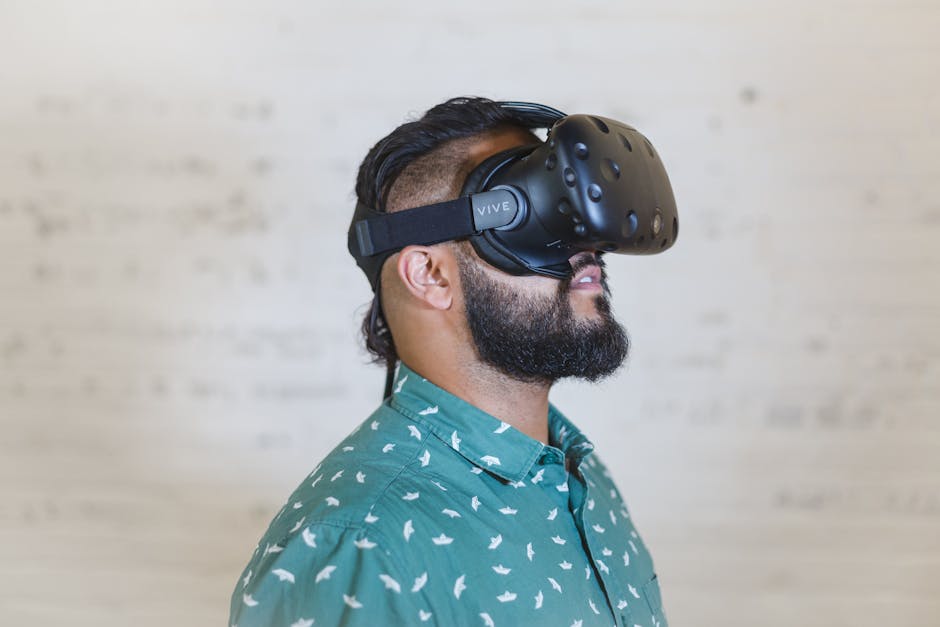
What makes VR concerts so compelling? It’s all in the tech. The latest VR headsets, such as the Oculus Quest 3 and Valve’s Index Pro, offer high-resolution displays and spatial audio that make you feel as if you’re standing in the middle of a real concert venue. But it doesn’t stop there.
Advanced motion capture technology allows artists to perform live while their avatars mirror their movements in real-time. Imagine attending a virtual concert where you can choose your viewing angle, interact with other attendees, and even customize your environment to suit your mood. It’s not just a concert; it’s a personalized experience.
Global Accessibility and Environmental Impact
One of the most significant advantages of VR concerts is accessibility. Traditional concerts can be exclusive due to high ticket prices and geographical limitations. VR concerts democratize the experience, allowing anyone with a VR headset and an internet connection to enjoy performances by their favorite artists without breaking the bank.
Additionally, the environmental benefits are noteworthy. A single global tour can generate thousands of tons of CO2 emissions. By reducing the need for travel and physical venues, VR concerts offer a more sustainable alternative that appeals to eco-conscious fans and artists alike.
Interactive and Social Elements
VR concerts are not just about passively watching a performance; they’re about interaction. In 2027, platforms like VRChat and Meta’s Horizon Worlds provide virtual spaces where concert-goers can socialize, dance, and even play mini-games before and after the show.
Imagine attending a VR concert where you can virtually meet fellow fans from Tokyo, Sao Paulo, and New York, all in the same digital room. These platforms are making concerts more community-driven, transforming them into social events that extend beyond the music.
The Future: What Awaits Us
Looking ahead, the potential for VR concerts seems limitless. Experts predict the integration of AI-driven experiences, where virtual assistants can enhance your concert experience by personalizing content based on your preferences. Moreover, artists are exploring holographic technology to create lifelike avatars that blur the line between virtual and real.
We may also see the rise of hybrid concerts, combining physical and virtual elements. Imagine a festival where some attendees are physically present, while others tune in from around the world in real-time. This hybrid model could redefine what it means to attend a live music event.
Final Thoughts
VR concerts are not just a temporary trend; they’re a transformative force in the music industry. As technology continues to advance, these experiences will become even more immersive and accessible, opening new doors for artists and fans alike. So grab your VR headset, and get ready to explore the future of live music in a way you never imagined possible.