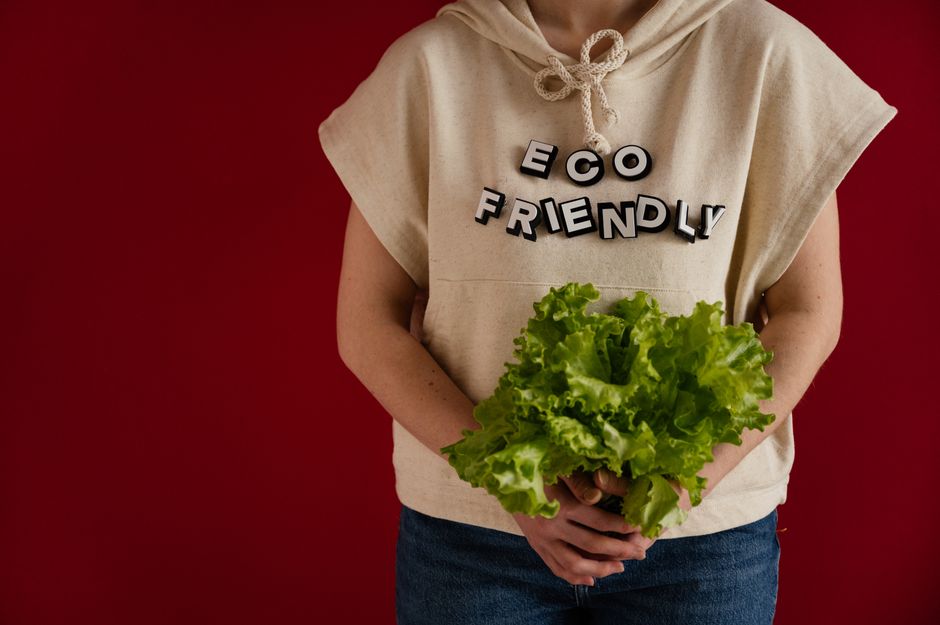
Embracing Sustainable Style: The Eco-Fashion Revolution
The world of fashion is undergoing a seismic shift, and it’s not just about the latest runway trends. In 2026, eco-friendly fashion is more than a buzzword; it’s a global movement reshaping how we view our clothing. From the materials used to production processes, fashionistas are discovering that looking good doesn’t have to come at the planet’s expense.
Sustainable fashion is on everyone’s lips, as big names like Stella McCartney and Gucci join forces with tech giants to create collections that are both chic and conscientious. The result? A wardrobe that’s as responsible as it is stylish.
The Fabric of the Future: Innovations in Sustainable Materials
In the past, eco-friendly fashion was often synonymous with hemp shirts and uninspired designs. Today, cutting-edge materials are changing the game. Enter Mycelium leather, a fungus-based material that’s not only biodegradable but also tough enough to replace traditional leather. Brands like Hermès are pioneering its use, delivering luxury items that minimize environmental impact.
For those craving color, algae-based dyes are making waves with their vibrant hues and minimal environmental footprint. Used by trendsetters like Patagonia, these dyes are proving that sustainability can be as colorful as it is green.
Reviving the Past: The Rise of Upcycling and Vintage Finds
The push for sustainability has brought about a resurgence in upcycling and vintage shopping. Thrift stores and online platforms like Depop and ThredUP are treasure troves for fashion hunters seeking unique, affordable pieces. In cities like New York and London, upcycling workshops are popping up, encouraging fashion lovers to get creative with their preloved garments.
Upcycling not only reduces waste but also adds a personal touch to your style. Whether transforming an old denim jacket with quirky patches or turning a vintage dress into a modern masterpiece, the possibilities are endless.
Tech-Enabled Transparency: The New Fashion Frontier
Transparency is key in the 2026 fashion landscape. Consumers are demanding to know more about their purchases, and brands are responding with blockchain technology that tracks the lifecycle of garments. Platforms like Provenance and CircularID allow shoppers to trace their clothing’s journey from raw material to finished product.
This transparency not only holds brands accountable but also empowers consumers to make informed choices. It’s fashion with a conscience, and it’s here to stay.
Practical Tips for a Sustainable Closet in 2026
- Invest in Quality: Choose timeless pieces made from sustainable materials that will last. Think classic silhouettes over fast fashion fads.
- Embrace Capsule Wardrobes: Streamline your closet with versatile, high-quality pieces that can be mixed and matched for any occasion.
- Support Eco-Friendly Brands: Look for labels with strong environmental and social commitments. Brands like Everlane and Reformation set the standard for ethical fashion.
- Practice Mindful Shopping: Before making a purchase, consider if you truly need it and how often you’ll wear it. Less is more when it comes to sustainable style.
Eco-Fashion: The Way Forward
As the fashion industry embraces sustainability, consumers too are shifting their mindset towards more responsible choices. By embracing eco-friendly fashion in 2026, we can reduce our ecological footprint and inspire change—one stylish step at a time.
The future of fashion is sustainable, and it’s never looked so good. So why not step into the green revolution and make your wardrobe a part of the solution?