The Evolution of Social Media: Trends to Anticipate in 2027
As we find ourselves midway through the 2020s, social media continues its rapid evolution, reflecting shifts in technology, culture, and the way we communicate. Looking ahead to 2027, there are several intriguing trends on the horizon, promising to reshape the landscape of our digital interactions. Here’s what you can expect to see.
The Rise of Immersive Experiences
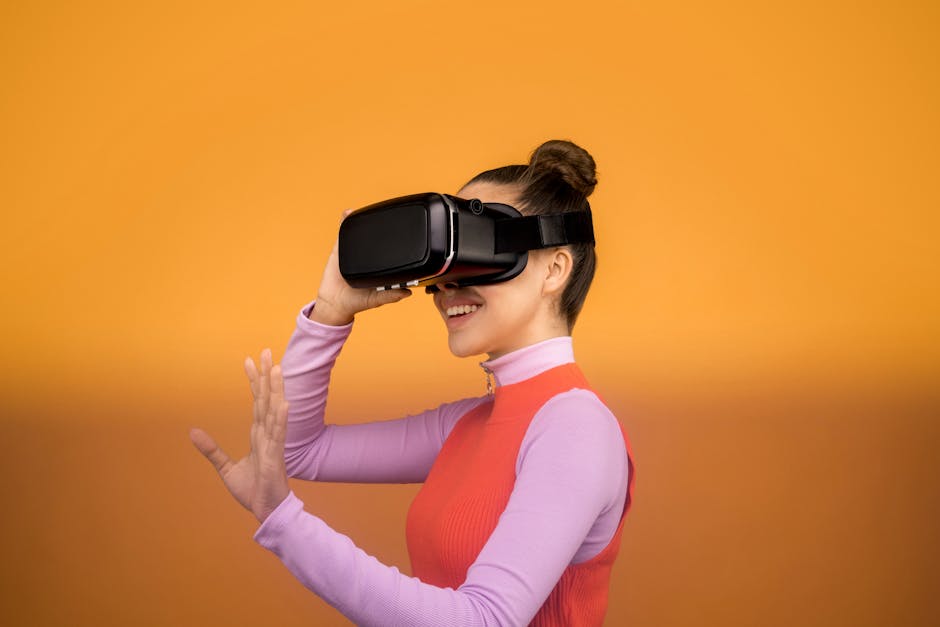
Immersive technology is no longer a futuristic concept; it’s becoming a staple in how we engage online. By 2027, augmented reality (AR) and virtual reality (VR) are expected to revolutionize social media platforms. Imagine attending virtual concerts with friends from across the globe or exploring virtual shopping experiences that allow you to try on clothes from the comfort of your living room. The Metaverse, which has been gradually taking shape, will likely become a central hub for these experiences.
Platforms like Meta and Snap are leading the charge, investing billions into developing these immersive technologies. The goal? To create environments that are not just about sharing photos or messages, but about experiencing moments together in a fully digital space.
Decentralization and User-Owned Data
As privacy concerns continue to grow, decentralization is set to become a significant trend by 2027. Users are increasingly wary of their data being harvested by big platforms. Blockchain technology offers a solution by enabling data to be stored and controlled by users themselves rather than centralized entities.
Platforms like Mastodon are already experimenting with decentralized social networks, allowing users to own and manage their data. This shift could empower individuals, making them active participants in the digital economy rather than passive consumers.
AI-Driven Content Creation
Artificial intelligence is changing the way content is generated and consumed. By 2027, AI-driven content creation is expected to dominate social media. Imagine an AI that can craft a personalized story or video tailored to your interests and preferences.
Tools like ChatGPT have already demonstrated the potential of AI in content creation, but future developments will see this technology become more sophisticated, allowing users to create professional-quality content with minimal effort. The result? A democratization of content creation, opening the doors for more voices to be heard.
Niche Communities and Hyper-Personalization
While broad social networks like Facebook and Instagram continue to thrive, there’s a growing trend towards niche communities. These are platforms focused on specific interests or hobbies, providing spaces where users can connect over shared passions.
By 2027, expect to see a proliferation of these hyper-personalized platforms. Whether it’s a community for dog lovers, vintage car enthusiasts, or bookworms, the internet is becoming more segmented, catering to the unique interests of its diverse user base. This shift promotes deeper engagement and fosters tighter-knit communities.
Social Commerce Takes Center Stage
Social media and e-commerce have been on a collision course for years, with both industries recognizing the potential of their union. By 2027, social commerce is expected to be a dominant force in the retail sector, blurring the lines between browsing and buying.
Platforms like Instagram and TikTok have already begun integrating shopping features, allowing users to purchase products without leaving the app. This seamless integration is expected to grow, turning social media into a powerful sales channel that offers convenience and immediacy to consumers.
Conclusion: A More Connected Future
By 2027, social media will likely look very different from what we know today. The trends of immersive experiences, decentralization, AI-driven content, niche communities, and social commerce represent a shift towards more personalized, engaging, and secure digital interactions.
As these trends continue to develop, the key takeaway for users and businesses alike is to stay adaptable. Embracing these changes can lead to new opportunities for connection, creativity, and commerce in our increasingly digital world.