Introduction to the Sensory Revolution
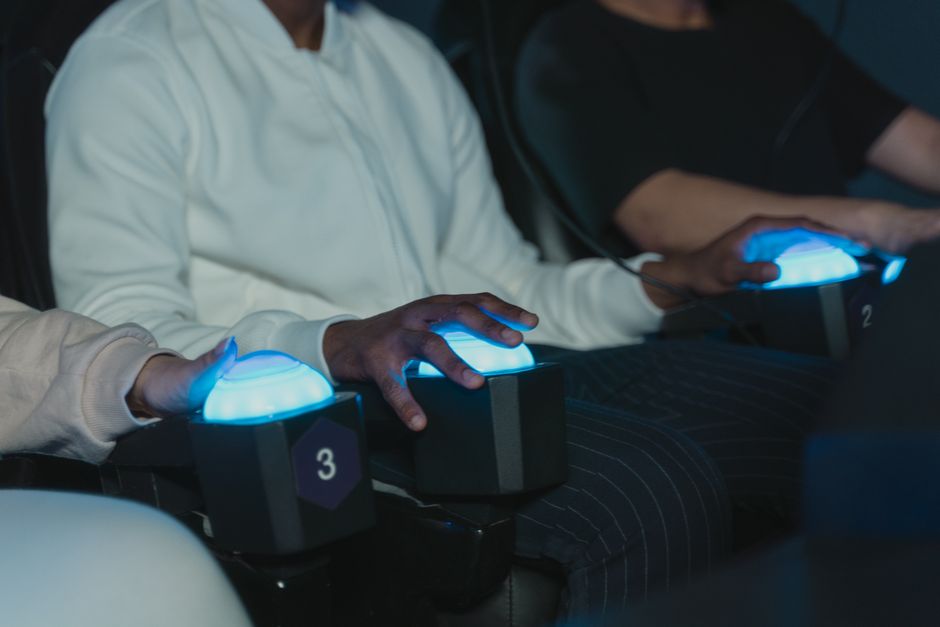
As we find ourselves in the year 2026, entertainment is no longer just about what we see or hear. The rise of multisensory experiences is shaking the very foundation of how we consume entertainment, creating deeper connections and more immersive experiences. Gone are the days when a movie was just a visual and auditory experience. Now, you’re enveloped in a world that caters to all your senses, and it’s transformative.
The Rise of Multisensory Cinema
Remember the first time you saw a 3D movie and how groundbreaking it felt? Fast forward to 2026, and multisensory cinemas are taking that experience to a new level. These innovative theaters use cutting-edge technology to incorporate scents, temperature changes, and even motion into the movie experience. Films are now meticulously tailored to make audiences feel like they’re part of the action. Imagine watching an ocean scene and feeling a gentle breeze, or smelling fresh rain in a romantic sequence. It’s a whole new world of storytelling.
Interactive Theater: Beyond the Fourth Wall
Interactive theater has stepped out from the shadows to become a mainstream phenomenon. Traditional plays have evolved into what can only be described as a full-bodied experience. Audiences are no longer passive observers; they are part of the narrative. In cities like London and New York, theaters are being redesigned to accommodate this new form of stagecraft. Performers engage with the audience, making every show unique and unpredictable. It’s an electric atmosphere where the lines between audience and actor blur, creating unforgettable performances.
Virtual Reality Meets Sensory Overload
Virtual reality has been a buzzword for over a decade, but now it’s becoming an all-encompassing experience. VR headsets in 2026 are equipped with sensory gloves, scent modules, and even taste simulators. Adventure gamers can now literally taste victory—or defeat. This technology isn’t just for gamers; educational programs and therapeutic applications are leveraging VR to create deeply empathetic learning environments. Imagine a history class where you can smell the ancient world and feel its textures, or therapeutic settings where PTSD sufferers can gently re-engage with past experiences in a controlled, multi-sensory way.
Food and Drink: The Ultimate Sensory Experience
For those who think food can’t be part of entertainment, think again. Dining in 2026 is about more than just taste. The latest trend is sensory dining experiences where chefs curate meals with a theatrical flair. Imagine sitting at a dining table where the visual presentation, ambient sounds, and even table textures align with your meal. Restaurants are employing these techniques to elevate dining into a holistic experience that tells a story. It’s about engaging all the senses, not just the palate.
Technological Innovations Fueling the Change
This sensory revolution wouldn’t be possible without the technological advancements we’ve seen over the past few years. The rise of AI and machine learning has allowed for precise control over sensory inputs, while augmented reality (AR) and haptic feedback technologies deepen immersion. Startups in Silicon Valley and beyond are constantly pushing boundaries, creating products that anticipate and respond to user needs in real-time, making these experiences not only enjoyable but also seamless.
The Takeaway: Why Multisensory Experiences Matter
Incorporating multiple senses into our entertainment experiences is not just a novelty; it’s a profound shift in how we interact with the world around us. It’s about creating connections that are richer and more meaningful, tapping into our innate desire for exploration and discovery. As we move further into 2026, expect to see multisensory experiences not just in entertainment, but in education, therapy, and even workplace environments.