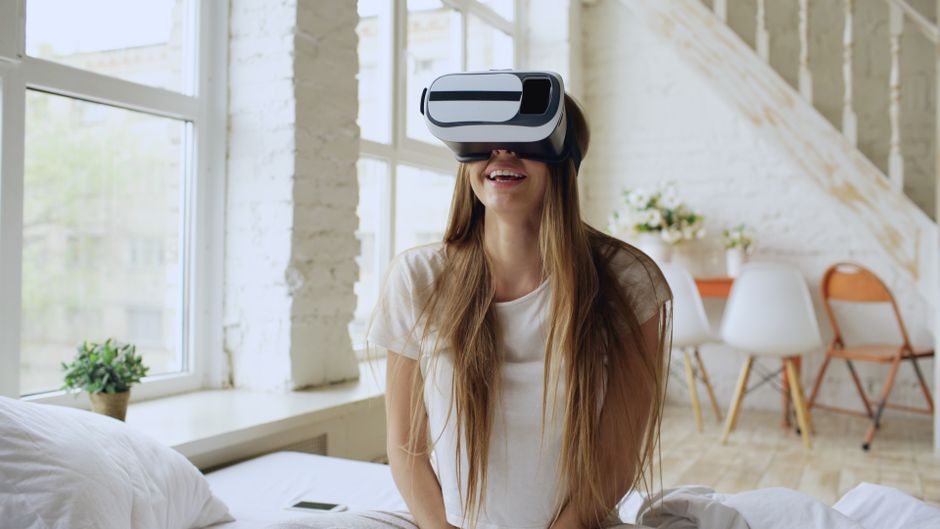
The Dawn of Virtual Reality Tourism
By 2026, virtual reality (VR) has become more than just a gaming novelty. It’s a gateway to the world, offering immersive experiences that are changing the way we think about travel. Gone are the days when VR meant clunky headsets and pixelated graphics. Today, it’s about hyper-realistic experiences that allow you to explore the world’s wonders from the comfort of your home.
Imagine strolling through the bustling streets of Tokyo, feeling the electric energy of Shibuya Crossing, or hiking along the winding paths of the Grand Canyon, all without the need for a plane ticket. VR tourism offers a way to traverse the globe, catering to everyone from the curious couch traveler to the adventurous explorer seeking to preview their next destination.
The Technology Behind the Travel
The leap in VR technology over the past few years is nothing short of astounding. Using state-of-the-art headsets and haptic feedback suits, travelers can now experience a level of immersion previously reserved for science fiction. Companies like Oculus, Sony, and HTC have been at the forefront, constantly pushing the boundaries of what VR can achieve.
One significant advancement is the incorporation of AI-driven narration. These virtual guides add a personal touch, offering historical insights, local anecdotes, and hidden gems, turning any VR session into an interactive learning experience. For example, as you virtually wander through the Louvre, your AI guide might share stories about the Mona Lisa’s mysterious smile or the ancient history of the Venus de Milo.
Revolutionizing Accessibility and Sustainability
VR tourism also presents an inclusive and eco-friendly alternative to traditional travel. For individuals with mobility issues, these virtual voyages offer an opportunity to experience places that were once inaccessible. Similarly, for those conscious of their carbon footprint, VR provides a guilt-free way to satisfy wanderlust without contributing to environmental degradation.
Destinations like Machu Picchu, which struggle with the impact of mass tourism, benefit from this shift. VR allows tourists to explore these sites without the wear and tear that physical visits entail, preserving them for future generations. The UNESCO World Heritage Center predicts that by 2027, VR tourism will significantly reduce foot traffic at endangered sites, helping protect our shared heritage.
Virtual Reality Destinations You Can’t Miss
- The Egyptian Pyramids: Thanks to detailed 3D scanning, you can now explore the Great Pyramid of Giza with unprecedented detail, walking through tunnels that even physical visitors can’t access.
- The Great Barrier Reef: Dive into the vibrant underwater world without getting wet. VR experiences here offer stunning views of coral reefs teeming with life, accompanied by educational modules on marine conservation.
- The Aurora Borealis: Experience the Northern Lights’ magical dance across the sky from locations like Iceland or Norway, all while learning about the science behind this natural wonder.
Emotional Connectivity and Shared Experiences
One of the surprising benefits of VR tourism is the emotional connections it fosters. Multi-user platforms allow friends and families to share these experiences in real-time, no matter where they are physically located. Planning a virtual family trip to Rome? Discuss the magnificence of the Colosseum together or marvel at the Sistine Chapel’s ceiling.
Moreover, educational institutions have taken note. Schools across the globe are incorporating VR into their curricula, taking students on virtual field trips to places like the Galapagos Islands or the ruins of Pompeii. This not only enriches learning but also sparks a lifelong passion for exploration and understanding.
Looking Ahead: The Future of VR Tourism
As VR technology continues to evolve, so too will its applications in tourism. By 2027, we can expect even more sophisticated sensory experiences, incorporating smells, temperature changes, and advanced tactile sensations. With the integration of augmented reality (AR), travelers might soon blend virtual experiences with real-world interactions, enhancing both.
The potential is vast, and while physical travel will never be entirely replaced, virtual reality offers an exciting complement that broadens our horizons and deepens our appreciation for the world’s diversity.
Practical Takeaway: Embracing VR as a Travel Supplement
For those eager to explore or educate, VR opens doors to endless possibilities. Whether you’re previewing a vacation, indulging in armchair adventures, or providing educational experiences, embracing virtual reality as a supplement to traditional travel is a step forward in broadening our understanding and appreciation of the world.