Understanding the New Wave of Mental Health Apps
As we nestle comfortably into 2026, technology continues to revolutionize the way we approach mental health. Gone are the days when therapy was confined to a weekly, in-person session. Today, a plethora of apps are available at our fingertips, designed to make mental health care more accessible, engaging, and even enjoyable. With mental health awareness at an all-time high, it’s no surprise that tech companies are racing to develop tools that cater to diverse needs.
The Rise of Personalized Mental Health Solutions
Personalization is the buzzword of 2026, and it’s made a significant impact in mental health. Enter MoodMate, an app that uses AI to tailor daily exercises and meditation practices based on your mood patterns. By analyzing data from user inputs and wearable tech, MoodMate provides scientifically backed suggestions to help users regulate their emotions. A user in Seattle, for instance, might receive guided breathing exercises tailored to counteract the effects of seasonal affective disorder, while someone in Miami might be nudged to engage in mindfulness practices to combat stress.
Gamification: Making Mental Health Care Engaging
For those who find traditional methods somewhat monotonous, apps like InnerQuest have gamified mental wellness. Imagine embarking on a virtual journey where completing tasks and challenges translates to real-world mental health benefits. InnerQuest has integrated cognitive behavioral therapy principles into an immersive adventure game. Users earn rewards by identifying cognitive distortions or practicing stress-reducing techniques. The app’s popularity has surged in areas like San Francisco, where tech-savvy individuals are readily embracing its novel approach.
Community Support at Your Fingertips
The adage “no man is an island” rings particularly true in the realm of mental health. Recognizing the power of community, PeerConnect has created a platform where users can join support groups tailored to specific needs. Whether you’re dealing with anxiety, depression, or the stress of a new job, there’s a group for you. Users can partake in live chats, video discussions, and even virtual meetups. In bustling cities like New York, where isolation can be a silent adversary, PeerConnect’s community-driven approach has proven invaluable.
Mindfulness and Meditation: The Classics Reimagined
While mindfulness and meditation apps have been around for years, 2026 has seen a renaissance of sorts. CalmMind 2.0 has introduced VR capabilities, allowing users to immerse themselves in serene environments while practicing guided meditation. Whether walking through a lush digital forest or sitting beside a tranquil virtual lake, the sensory experience is designed to enhance relaxation and focus. This technological leap has been particularly impactful in urban areas like Tokyo, where space and access to nature can be limited.
Data-Driven Insights for Better Outcomes
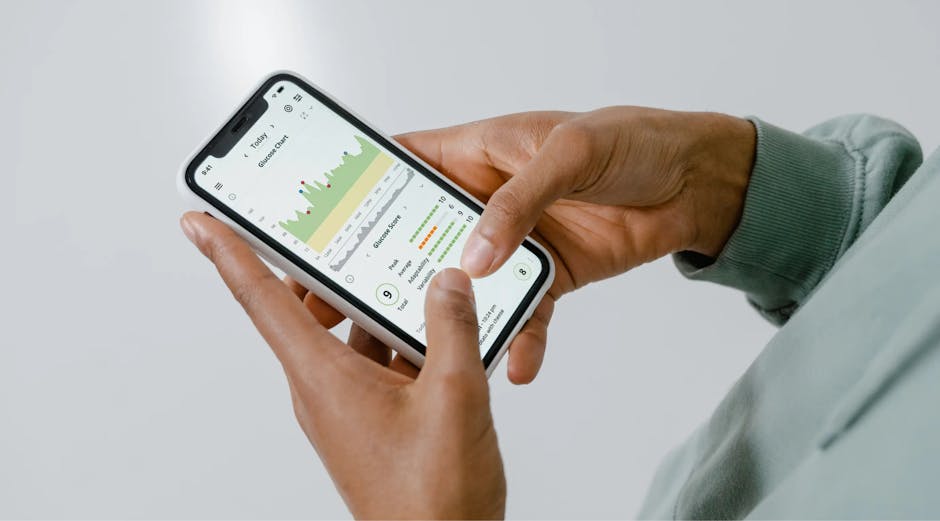
Knowledge is power, and the same holds true for mental health. MindMetrics is leading the charge in providing users with data-driven insights into their mental well-being. By integrating with wearable technology and utilizing biometric feedback, MindMetrics offers real-time analytics on stress levels, sleep patterns, and emotional fluctuations. Such insights empower users to make informed decisions about their mental health strategies. A user in London might discover that their stress spikes correlate with inadequate sleep, prompting lifestyle changes for better balance.
Incorporating these innovative apps into daily routines can have a profound impact. As technology continues to evolve, so too will our approaches to maintaining and enhancing mental well-being. By embracing these digital tools, we can look forward to a future where mental health care is not only accessible but also deeply integrated into the fabric of our everyday lives.
The takeaway for anyone looking to boost their mental health in 2026 is simple: Embrace the tech that’s available. With personalized solutions, engaging platforms, and community support, these apps are more than just tools—they’re companions on the journey to a healthier mind.