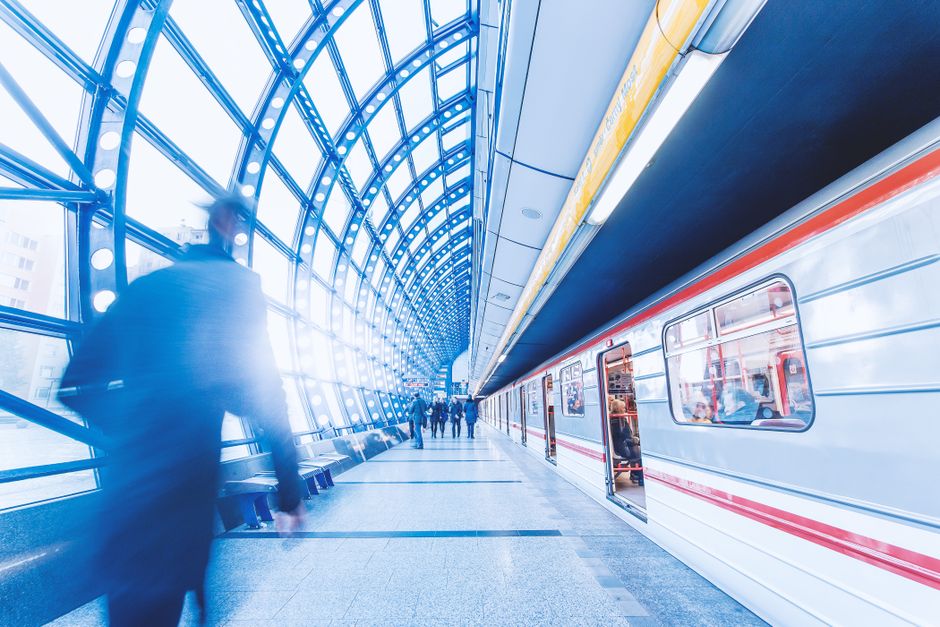
The Urban Commute Revolution
It’s 2026, and if you’re still stuck in traffic jams, it’s probably because you haven’t embraced the latest in urban transportation technology. Today, cities worldwide are transforming how we move, offering faster, cleaner, and more efficient ways to get from Point A to Point B. Let’s take a closer look at how these innovations are changing our urban landscapes and daily lives.
Hyperloop: The Bullet Train of the Future
Remember when the Hyperloop was just a futuristic concept? Now, it’s a reality in major cities like Los Angeles, Tokyo, and Riyadh. These vacuum-sealed tubes propel passenger pods at speeds surpassing 600 miles per hour, making the Hyperloop the fastest land transport available. Imagine commuting from Los Angeles to San Francisco in under 30 minutes!
The Hyperloop isn’t just about speed; it’s about sustainability. The system’s reliance on renewable energy sources, like solar power, reduces its carbon footprint, aligning with global efforts to combat climate change. Developers are also exploring ways to recycle energy generated during braking, further enhancing its eco-friendliness.
Flying Taxis: Taking Transportation to New Heights
Flying taxis might sound like something out of a sci-fi movie, but they’re now part of reality in cities like Dubai and Singapore. These electric Vertical Take-Off and Landing (eVTOL) vehicles offer a nimble solution to urban congestion. Equipped with autonomous navigation systems, they whisk passengers over cityscapes, avoiding gridlocked streets below.
What makes flying taxis particularly appealing is their potential to democratize air travel. With prices steadily decreasing as technology advances, a quick aerial jaunt might soon be as affordable as a traditional taxi ride. Imagine the thrill of soaring above the skyline to work, saving time and enjoying breathtaking views.
Micro-Mobility: The Surge of E-Scooters and Bikes
If you’re not ready to jump into a flying taxi, you might prefer the growing micro-mobility movement. E-scooters and e-bikes are ubiquitous in cities like Berlin and New York, providing an eco-friendly and convenient way to cover short distances.
With improvements in battery life and charging infrastructure, these small but mighty vehicles are more reliable than ever. Urban planners are integrating dedicated lanes and parking zones, ensuring they coexist harmoniously with other forms of transport. Plus, the shared economy model means you can simply pick one up and drop it off wherever your journey ends.
Smart Public Transport: Buses and Trains Get an Upgrade
While new technologies capture headlines, traditional public transportation isn’t being left behind. Smart buses and trains are revolutionizing how cities manage passenger flows. Real-time tracking, predictive maintenance, and dynamic routing optimize efficiency, reducing wait times and operational costs.
In Stockholm, for instance, commuters use AI-driven apps to book seats in advance, ensuring a smooth, personalized travel experience. Meanwhile, New York’s MTA has invested heavily in smart train systems that communicate with each other to prevent delays and bottlenecks.
The Takeaway: Embrace the Change
As urban transportation evolves, staying informed and open to new possibilities is crucial. Whether it’s hopping on a Hyperloop, gliding in a flying taxi, or simply grabbing an e-scooter for a quick ride, the future of commuting is here. These innovations promise not only to reshape our cities but also to enhance our daily lives, making travel faster, cleaner, and more enjoyable than ever before.